Product Description
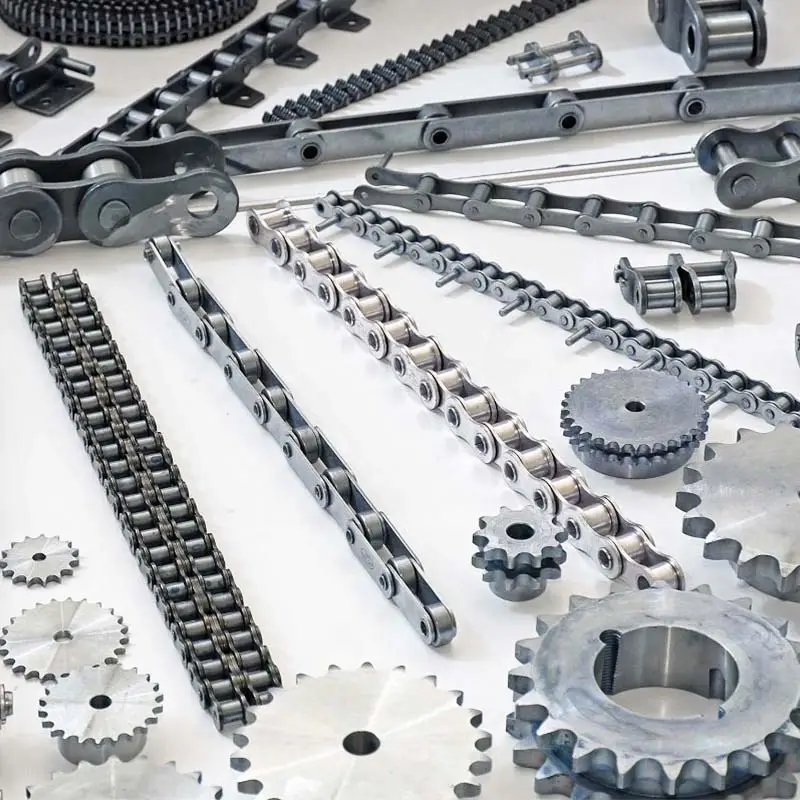
WH82 Welded Steel Chain ( For Steel Factory)
We own the sophisticated equipment and the advanced technology, such as:
1. CAD Designer
2. Wire Cutting Machine
3. Chain Running In Machine
4. Conveyor Furance
5. Ball Drift
6. Shot Peened Parts
7. Design Of Link Plate Waist
We have different models of welding chains, such as:
| Chain No
|
Pitch
(mm) |
Outside Barrel Dia
(mm) |
Pin Dia
(mm) |
Side Bar Height
(mm) |
Approx Tooth Face at pitch line
(mm) |
Length of Bearing
(mm) |
Plate Thickness
(mm) |
Ultimate tensile strength
(KN) |
Weight Approx
(Kg/FT) |
|
| WH82 | 78.1 | 26.97 | 14.35 | 31.8 | 38.1 | 57.4 | 6.4 | 132 | 2.28 |
|
Company Detail:
GOODUCK(TAI) is 1 of a professional exporter with exporting POWER TRANSMISSION PARTS: Roller chains,Conveyor chains,Stainless steel Chains, agricultural chains, steel detachable chains, special chains, sprockets, s. S. Sprockets, HRC couplings, pulleys, bushes etc. All these products have been supplied regularly to World Wide for over 15 years.
Welcome contact for more details.
Sofia Chen(Sales Manager)
HangZhou GOODLUCK TRANSMISSION TECHNOLOGY CO.,LTD
| Material: | Steel |
|---|---|
| Structure: | Welded Chain |
| Surface Treatment: | Polishing |
| Chain Size: | 1/2"*11/128" |
| Feature: | Fire Resistant |
| Trade Style: | Trade/Manufacture/OEM |
| Customization: |
Available
| Customized Request |
|---|
How do roller chains handle shock and impact loads?
Roller chains are designed to handle shock and impact loads, but their ability to withstand these loads depends on several factors:
1. Chain Design: Roller chains are constructed with durable components, including rollers, pins, and plates, which are designed to handle the forces generated by shock and impact loads. The geometry and dimensions of these components contribute to the chain’s overall strength and ability to resist deformation.
2. Material Selection: High-quality materials are used in the manufacturing of roller chains to enhance their strength and durability. Common materials include carbon steel, stainless steel, or specialty alloys. The material selection depends on the specific application requirements and the level of shock and impact loads anticipated.
3. Chain Tension: Proper chain tension is important for handling shock and impact loads. Adequate tension helps maintain the engagement of the chain with the sprockets, preventing slippage and reducing the likelihood of damage due to sudden forces. However, excessive tension can also contribute to increased stress and potential failure, so it’s important to follow the manufacturer’s guidelines for chain tension.
4. Lubrication: Proper lubrication plays a crucial role in reducing friction and wear, which can be accelerated by shock and impact loads. Lubricants help minimize the generation of heat and provide a protective film between the chain components, reducing wear and extending the chain’s lifespan. Regular lubrication and maintenance are essential for optimal performance under shock and impact conditions.
5. Chain Inspection and Maintenance: Regular inspection and maintenance are necessary to identify any signs of wear, damage, or elongation in the roller chain. Chains should be inspected for bent or deformed links, worn-out rollers or pins, and excessive elongation. Any worn or damaged components should be replaced promptly to prevent further deterioration and ensure the chain’s ability to handle shock and impact loads.
It’s important to note that while roller chains are designed to handle shock and impact loads, excessive or repetitive shock loads can shorten their lifespan. Therefore, it’s recommended to assess the specific application requirements and consult with the manufacturer to ensure the appropriate chain design and maintenance practices are followed for optimal performance and longevity under shock and impact conditions.
How do roller chains handle abrasive environments?
Roller chains are designed to handle various operating conditions, including abrasive environments. Here’s a detailed answer to the question:
1. Material Selection: Roller chains are typically constructed using high-quality materials that offer good resistance to abrasion. Common materials used for roller chains include alloy steel, stainless steel, or specialized coatings that enhance wear resistance.
2. Surface Hardness: The components of a roller chain, such as the pins, bushings, and rollers, are heat-treated to achieve a high surface hardness. This hardness helps to resist wear caused by abrasive particles present in the environment.
3. Lubrication: Proper lubrication plays a crucial role in protecting roller chains from abrasive wear. Lubricants act as a barrier between the chain components and abrasive contaminants, reducing friction and minimizing wear. The lubricant also helps to flush away any abrasive particles that may come in contact with the chain.
4. Sealing and Protection: Roller chains can be equipped with seals or protective covers to provide an additional layer of defense against abrasive particles. These seals help to prevent contaminants from entering the chain and causing premature wear. Seals also help to retain lubrication within the chain, further enhancing its performance in abrasive environments.
5. Regular Maintenance: Regular inspection and maintenance are essential to ensure the longevity of roller chains in abrasive environments. This includes periodic cleaning to remove accumulated debris and checking for signs of wear or damage. Prompt replacement of worn components is necessary to prevent further deterioration and ensure reliable operation.
While roller chains are generally robust in abrasive environments, it’s important to consider the severity of the abrasion, as extremely abrasive conditions may require specialized chain materials or additional protective measures. Consulting with experts and selecting the appropriate chain design and materials based on the specific application requirements can help maximize the performance and lifespan of roller chains in abrasive environments.
Can roller chains be used for vertical lifting applications?
Yes, roller chains can be used for vertical lifting applications in certain circumstances. However, it is important to consider various factors to ensure safe and efficient operation. Here’s a detailed answer to the question:
Roller chains are primarily designed for transmitting power and motion in horizontal or slightly inclined applications. When used for vertical lifting, additional considerations must be taken into account:
1. Load Capacity: Roller chains have a rated load capacity that indicates the maximum weight they can safely lift. It is crucial to select a roller chain with a sufficient load capacity for the specific lifting application. Factors such as the weight of the load, acceleration, and dynamic forces should be considered to ensure the chain can handle the load without excessive stress.
2. Safety Measures: Vertical lifting applications require appropriate safety measures to prevent accidents or chain failure. These may include the use of safety devices such as overload protection mechanisms, emergency stops, and redundant systems. Safety standards and regulations specific to the lifting industry should be followed to ensure compliance and mitigate potential hazards.
3. Lubrication and Maintenance: Proper lubrication is critical for the smooth and reliable operation of roller chains in any application, including vertical lifting. Regular lubrication and maintenance help reduce wear, friction, and the risk of chain failure. It is important to follow the manufacturer’s recommendations for lubrication intervals and use the appropriate lubricant for the specific operating conditions.
4. Chain Tension: Maintaining proper chain tension is crucial for the safe and efficient operation of roller chains in vertical lifting applications. Adequate tension ensures proper engagement with the sprockets and minimizes the risk of chain slippage or disengagement. Regular inspection and adjustment of chain tension are necessary to ensure reliable performance.
While roller chains can be used for vertical lifting, it is important to consult with industry experts or engineers experienced in lifting applications to determine the suitability of roller chains for a specific vertical lifting task. They can provide guidance on selecting the appropriate chain size, design, and safety measures to ensure the lifting operation is safe, efficient, and compliant with applicable regulations.


editor by CX 2023-10-11