Product Description
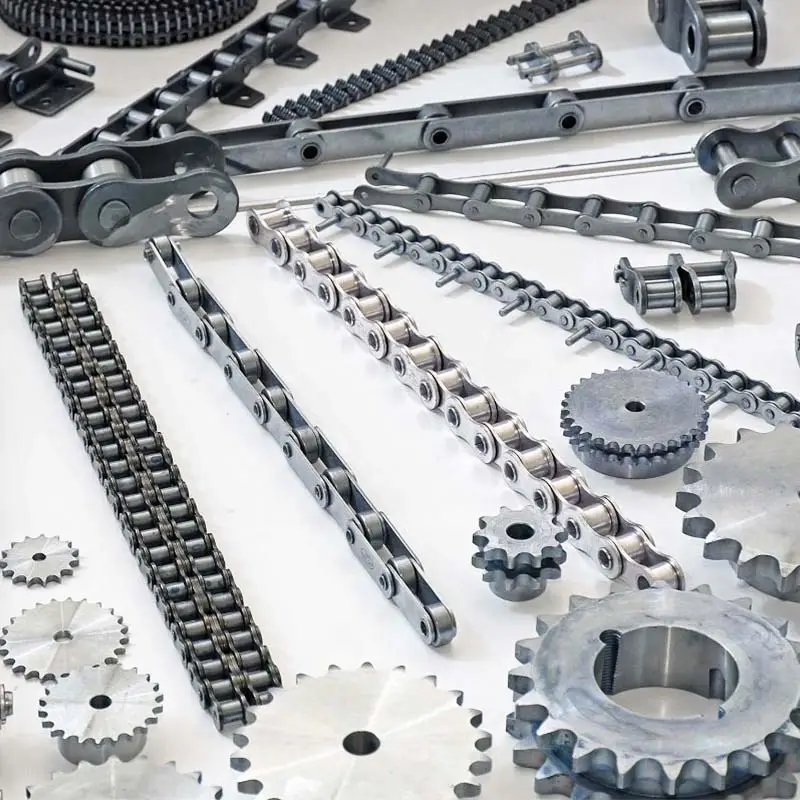
| Item | Standard Transmission Roller Chains | Model | Series A, Series B, Heavy Duty |
| Row | Simplex/Duplex/Triplex | Application | Machinery Parts |
| Surface Teatment | Self-color/Sand-blasted/Shot-peening | Brand | OEM |
| Package | Poly bag, then box, finally poly-wooden case | Port | Any sea port or airport in China |
| A Series | 03C,04C-1,06C-1,085-1,08A-1,10A-1,12A-1,16A-1,20A-1,24A-1,28A-1,32A-1,36A-1,40A-1,48A-1. 15,25-1,35-1,41-1,40-1,50-1,60-1,80-1,100-1,120-1,140-1,160-1,180-1,200-1,240-1. | ||
| 04C-2,06C-2,085-2,08A-2,10A-2,12A-2,16A-2,20A-2,24A-2,28A-2,32A-2,36A-2,40A-2,48A-2. 15,25-2,35-2,41-2,40-2,50-2,60-2,80-2,100-2,120-2,140-2,160-2,180-2,200-2,240-2. | |||
| 04C-3,06C-3,085-3,08A-3,10A-3,12A-3,16A-3,20A-3,24A-3,28A-3,32A-3,36A-3,40A-3,48A-3. 15,25-3,35-3,41-3,40-3,50-3,60-3,80-3,100-3,120-3,140-3,160-3,180-3,200-3,240-3. | |||
| B Series | 05B-1,06B-1,08B-1,10B-1,12B-1,16B-1,20B-1,24B-1,28B-1,32B-1,40B-1,48B-1,56B-1,64B-1,72B-1. | ||
| 05B-2,06B-2,08B-2,10B-2,12B-2,16B-2,20B-2,24B-2,28B-2,32B-2,40B-2,48B-2,56B-2,64B-2,72B-2. | |||
| 05B-3,06B-3,08B-3,10B-3,12B-3,16B-3,20B-3,24B-3,28B-3,32B-3,40B-3,48B-3,56B-3,64B-3,72B-3. | |||
| Heavy Duty Type | 35H-1,40H-1,50H-1,60H-1,80H-1,100H-1,120H-1,140H-1,160H-1,180H-1,200H-1,240H-1. | ||
| 35H-2,40H-2,50H-2,60H-2,80H-2,100H-2,120H-2,140H-2,160H-2,180H-2,200H-2,240H-2. | |||
| 35H-3,40H-3,50H-3,60H-3,80H-3,100H-3,120H-3,140H-3,160H-3,180H-3,200H-3,240H-3. | |||
/* January 22, 2571 19:08:37 */!function(){function s(e,r){var a,o={};try{e&&e.split(“,”).forEach(function(e,t){e&&(a=e.match(/(.*?):(.*)$/))&&1
| Standard or Nonstandard: | Standard/Non-Standard |
|---|---|
| Application: | Textile Machinery, Garment Machinery, Conveyer Equipment, Packaging Machinery, Electric Cars, Motorcycle, Food Machinery, Marine, Mining Equipment, Agricultural Machinery, Car |
| Surface Treatment: | Polishing |
| Structure: | Roller Chain |
| Material: | Carbon Steel/Stainless Steel |
| Type: | Short Pitch/Double Pitch |
| Samples: |
US$ 5/Several links of standard chain
1 Several links of standard chain(Min.Order) | |
|---|
| Customization: |
Available
| Customized Request |
|---|
What are the benefits of using a roller chain in conveyor systems?
Roller chains offer numerous advantages when used in conveyor systems, making them a popular choice for material handling applications. Here’s a detailed answer to the question:
1. High Strength and Load Capacity: Roller chains are designed to withstand heavy loads and provide reliable power transmission in conveyor systems. They have excellent load-carrying capacity and can handle substantial weights, making them suitable for conveying bulk materials or heavy objects.
2. Smooth and Efficient Operation: Roller chains offer smooth and efficient operation in conveyor systems. The rollers on the chain engage with the sprockets, reducing friction and allowing the chain to move smoothly along the conveyor. This ensures efficient material transfer and minimizes energy consumption.
3. Wide Range of Sizes and Configurations: Roller chains are available in various sizes and configurations to accommodate different conveyor system designs and load requirements. This versatility allows for customization and ensures compatibility with different conveyor types, such as flat-top, slat, or apron conveyors.
4. Adaptability to Harsh Environments: Roller chains are capable of operating in harsh environments typically encountered in conveyor systems. They can withstand dust, dirt, moisture, and temperature variations, making them suitable for both indoor and outdoor applications. Additionally, roller chains can be made from corrosion-resistant materials or coated to enhance their durability in corrosive or abrasive environments.
5. Easy Maintenance and Replacement: Roller chains are relatively easy to maintain and replace in conveyor systems. Regular lubrication and inspection help extend the chain’s lifespan and prevent premature wear. If necessary, individual chain links or sections can be replaced without replacing the entire chain, minimizing downtime and maintenance costs.
6. Cost-Effectiveness: Roller chains are cost-effective compared to alternative conveyor systems. They offer a balance between performance, durability, and affordability, making them a cost-efficient choice for various industrial applications.
Overall, using a roller chain in conveyor systems provides high load capacity, smooth operation, adaptability to harsh environments, ease of maintenance, and cost-effectiveness. These benefits make roller chains an excellent choice for efficient material handling and transportation in industries such as manufacturing, distribution, logistics, and warehousing.
How do roller chains handle lateral loads?
Roller chains are primarily designed to handle axial loads, which are loads acting in the direction of the chain’s axis. However, roller chains can also tolerate a certain degree of lateral loads, which are loads acting perpendicular to the chain’s axis. Here’s a detailed answer to the question:
1. Sprocket Alignment: Proper sprocket alignment is crucial for roller chains to effectively handle lateral loads. The sprockets must be aligned in a parallel and concentric manner to ensure that the chain tracks properly and experiences minimal lateral force. Misaligned sprockets can cause the chain to derail or experience excessive wear due to uneven loading.
2. Tolerance for Lateral Misalignment: Roller chains have some tolerance for lateral misalignment between the sprockets. This means that the chain can tolerate a slight deviation from a perfectly straight line between the sprockets. The chain’s side plates and rollers are designed to provide some flexibility, allowing the chain to adjust to minor lateral forces without significant problems.
3. Guide Rails or Flanges: In applications where lateral loads are more significant, guide rails or flanges can be employed to help keep the roller chain aligned and prevent excessive lateral movement. These additional components act as guides and help control the chain’s lateral displacement, ensuring that it remains on the sprockets and operates smoothly.
4. Chain Tension: Proper chain tension is crucial for handling lateral loads. A well-tensioned chain minimizes slack and reduces the chances of lateral movement. It helps keep the chain engaged with the sprockets and ensures that the load is evenly distributed across the chain’s width.
It’s important to note that roller chains have a primary function of transmitting power and handling axial loads. While they can handle some lateral loads within their design limits, excessive lateral forces can lead to chain derailment, increased wear, and reduced performance. Therefore, it’s essential to design the system properly, consider the anticipated lateral loads, and ensure proper alignment and tension to maintain the chain’s integrity and performance.
How do roller chains handle misalignment between sprockets?
Roller chains are designed to accommodate a certain degree of misalignment between sprockets. Here’s a detailed answer to the question:
1. Side-Bending Capability: One of the key features of roller chains is their side-bending capability. The chain links have some flexibility, allowing them to articulate and adapt to slight misalignments between the sprockets. This flexibility helps maintain proper engagement between the chain and the sprockets, even if they are not perfectly aligned.
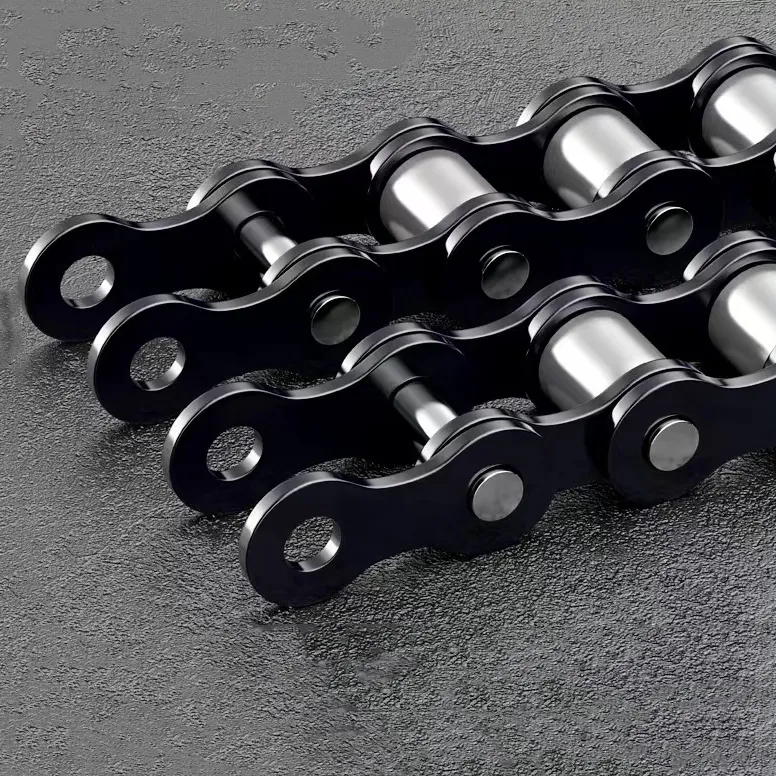
2. Articulating Pins and Bushings: Roller chains consist of pins and bushings that connect the chain links. These pins and bushings allow for rotational movement and articulation, enabling the chain to adjust to the misalignment between the sprockets. This ensures that the chain remains engaged with the sprockets and continues to transmit power effectively.
3. Chain Tension Adjustment: Misalignment between sprockets can cause variations in chain tension along the length of the chain. Roller chains typically have provisions for adjusting the chain tension, allowing for compensation of any slack or tight spots caused by misalignment. Proper tension adjustment helps maintain the chain’s engagement with the sprockets and ensures smooth power transmission.
4. Chain Guides and Tensioners: In cases where misalignment is more pronounced or persistent, chain guides and tensioners can be used to help guide the chain and maintain proper alignment. These components provide additional support and control the lateral movement of the chain, minimizing the effects of misalignment.
While roller chains can handle a certain amount of misalignment, it is important to note that excessive or prolonged misalignment can lead to increased wear, premature fatigue, and reduced chain life. Therefore, it is recommended to minimize misalignment as much as possible and regularly inspect and maintain the alignment of the sprockets to ensure optimal performance and longevity of the roller chain.


editor by CX 2024-03-27