Industrial Applications for DHA Roller Chains
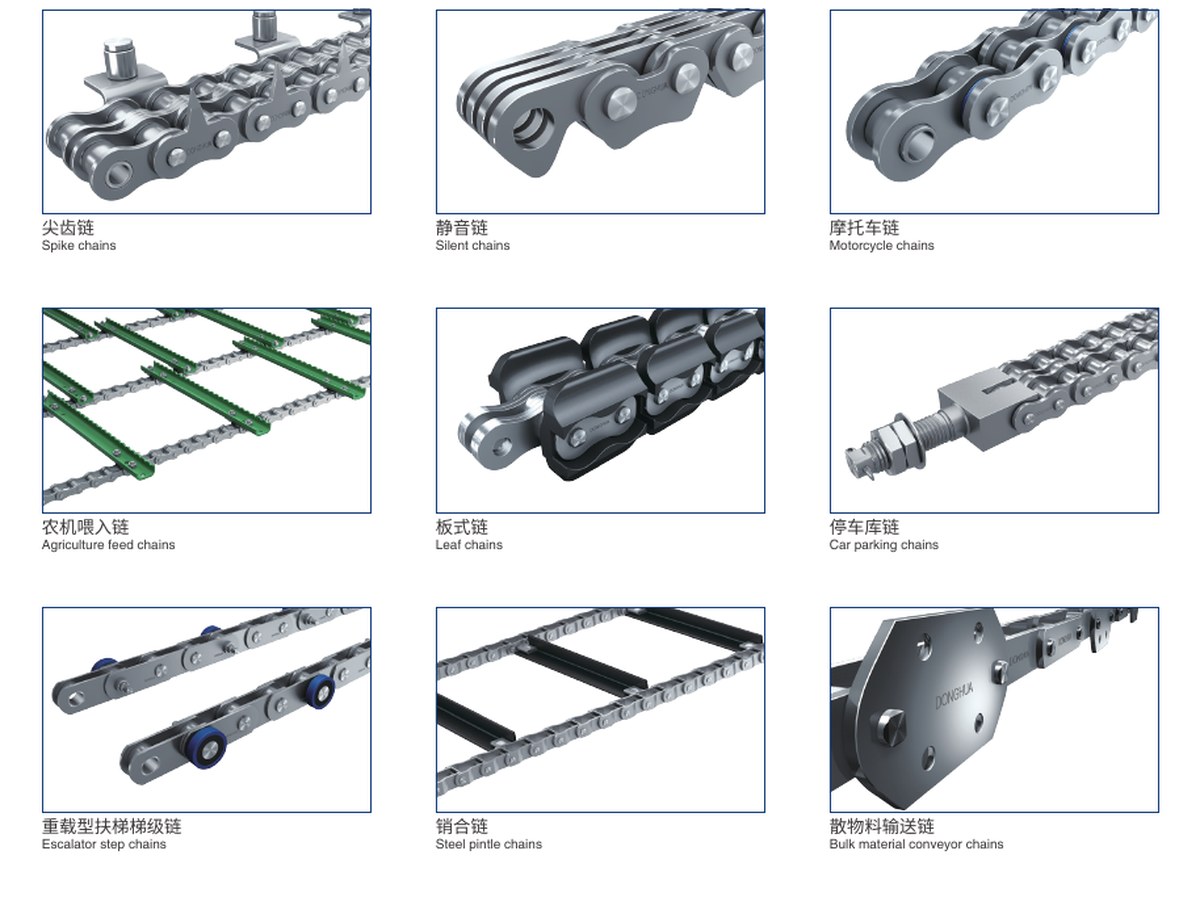
DHA roller-chain selection begins with the operating environment, not a catalogue number. The same pitch can behave very differently in a compact packaging machine, an abrasive conveyor, a machine-tool auxiliary drive or agricultural equipment. We review the chain joint, sprockets, load path, contamination and maintenance access together.
Precision machinery & machine tools
High-cycle equipment rewards accurate sprocket alignment, controlled polygonal action and stable lubrication. Compact installations also make chain width and guard clearance important.
Packaging & automation
Intermittent motion, indexing and frequent starts can create load reversals. Chain selection should be matched to duty cycle as well as nominal transmitted power.
Material handling
Conveyors add dust, variable loading and long operating hours. Chain elongation and sprocket tooth wear should be inspected as one maintenance condition.
Aggregate, mining & construction
Hard airborne particles can migrate into the pin-bush joint. Wear-focused pin treatment becomes relevant when abrasive joint wear is the dominant failure mechanism.
Agricultural machinery
Seasonal equipment may see dirt, crop residue, shock load and outdoor storage. Lubricant selection and cleaning practice are therefore part of the chain decision.
Automotive & industrial production
Transfer equipment and auxiliary drives often run behind guarding in high-utilisation plants. Inspection access, predictable replacement and standard-envelope geometry are practical priorities.
How we choose a chain architecture
1. Identify wear mechanism
Determine whether the problem is abrasive joint wear, corrosion, lubrication starvation, shock load, fatigue or a combination.
2. Verify geometry
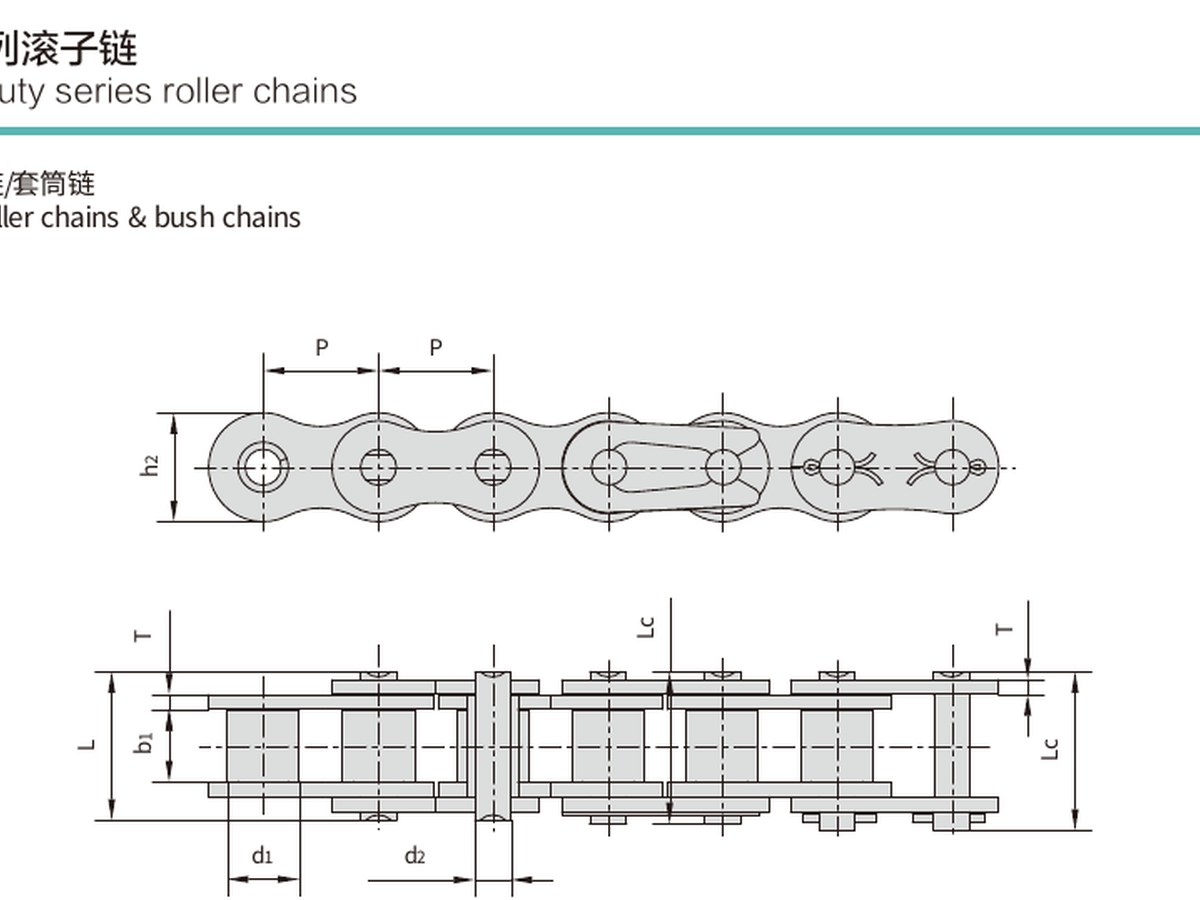
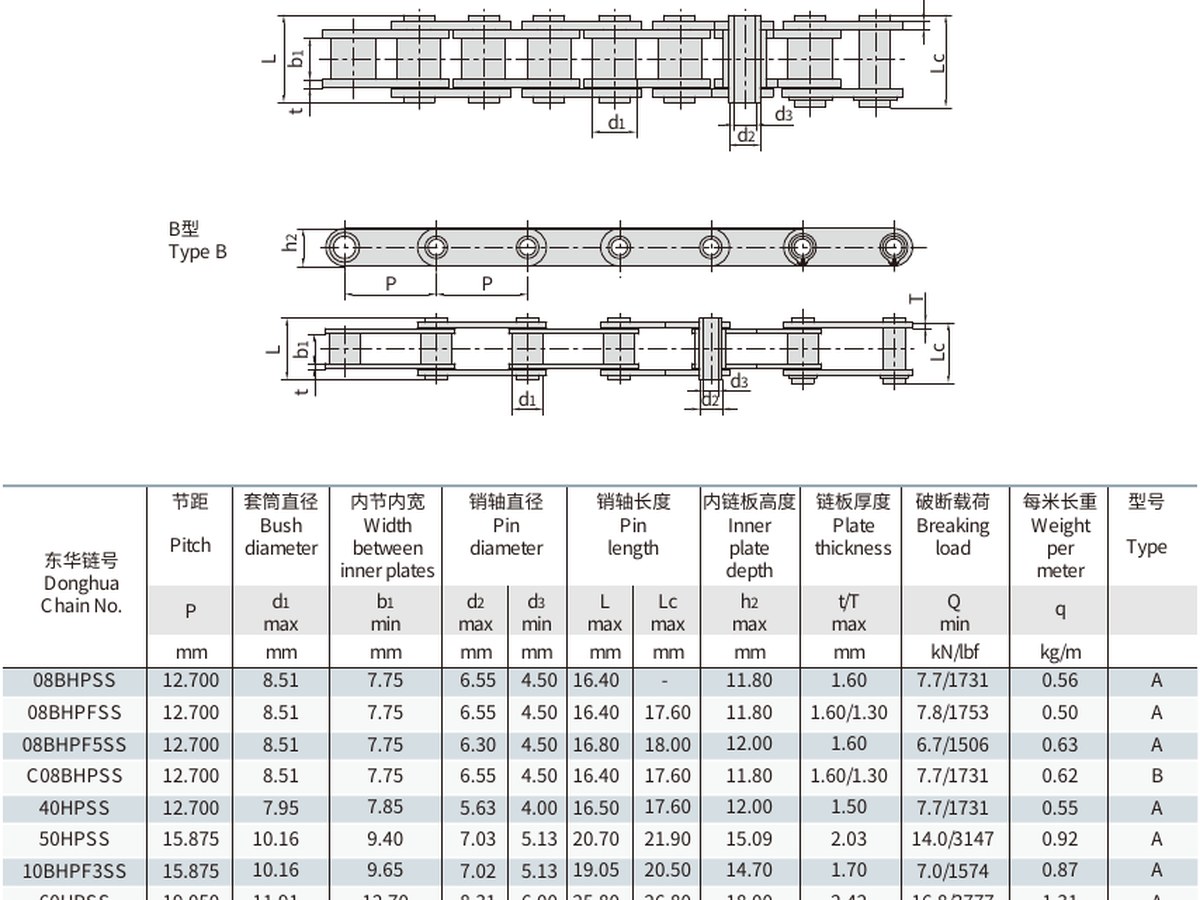
Measure pitch, roller or bush diameter, inner width, pin diameter, plate geometry and strand count rather than relying on a visual match.
3. Inspect sprockets
Hooked teeth, poor alignment or excessive tooth wear can shorten the service of a new chain. A matched sprocket is often the correct companion product.
4. Plan maintenance
Confirm lubrication method, guarding, safe access and the inspection interval before the drive returns to service.
Need an application match?
Send the current chain number, machine function and operating conditions. We will cross-check the chain and the required sprocket family together.
Customer Reviews & Case Studies
Packaging equipment
Use: Compact high-cycle drive.
Engineering note: Alignment and controlled joint wear were prioritised over simply increasing chain size.
Application fit ★★★★★
Specialty machinery
Use: Intermittent auxiliary transmission.
Engineering note: Matching the sprocket and chain envelope simplified integration into the machine.
Application fit ★★★★☆
Conveyor system
Use: Dust-exposed drive.
Engineering note: Sprocket inspection and a defined lubrication route were included in the replacement scope.
Application fit ★★★★★