Product Description
MODEL NO.: 08AH,10AH,12AH,16AH,20AH,24AH,28AH,32AH,36AH, 40AH, 48AH
40H,50H,60H,80H,1, HangZhou, China.
Branch: Yingbin Rd., HangZhou, HangZhou, ZHangZhoug, China
| Material: | Iron |
|---|---|
| Structure: | Roller Chain |
| Surface Treatment: | Polishing |
| Chain Size: | 12.7mm-76.2mm |
| Feature: | Fire Resistant, Oil Resistant, Heat Resistant |
| Color: | Natural, Zinc/Nickel Plated, Blue, Black Oxidized |
| Samples: |
US$ 0/Foot
1 Foot(Min.Order) | |
|---|
| Customization: |
Available
| Customized Request |
|---|
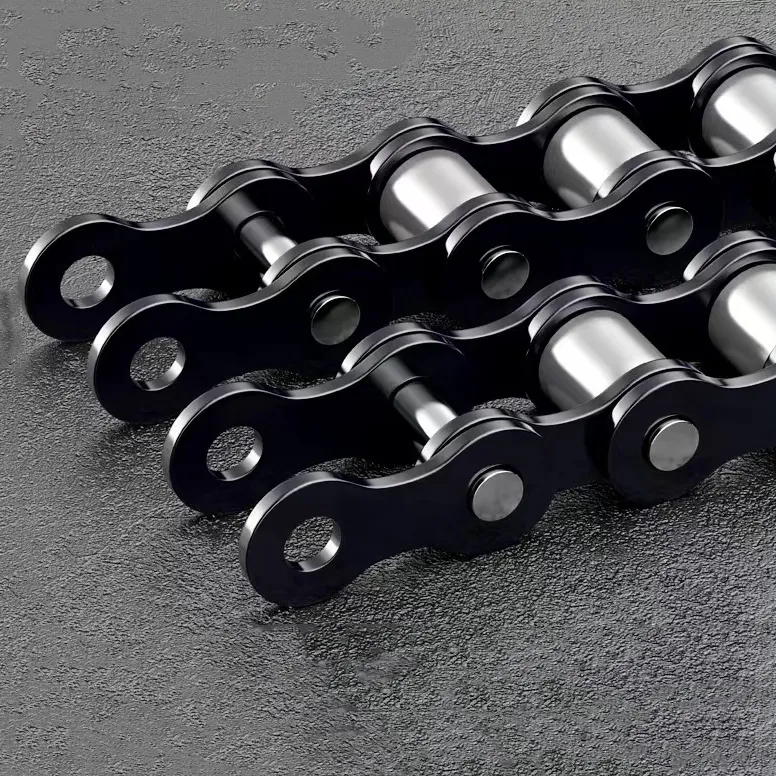
Can roller chains be used for overhead or inverted applications?
Roller chains can be used for overhead or inverted applications, but there are certain considerations to keep in mind. Here’s a detailed answer to the question:
1. Lubrication: In overhead or inverted applications, proper lubrication is crucial to ensure smooth operation and prevent premature wear. Gravity can affect the distribution of lubricant within the chain, so it’s important to use a lubrication method that can effectively reach all the critical components.
2. Tensioning: In overhead or inverted applications, the tensioning of the roller chain becomes even more important. The chain should be properly tensioned to prevent sagging or excessive slack, which can lead to uneven load distribution, chain skipping, or disengagement from the sprockets.
3. Environmental Considerations: Overhead or inverted applications may expose the roller chain to environmental factors such as dust, debris, moisture, or temperature variations. It’s important to select a roller chain that is designed to withstand the specific environmental conditions and provides adequate protection against corrosion, contamination, and wear.
4. Sprocket Alignment: Proper sprocket alignment is critical for the smooth operation of roller chains in overhead or inverted applications. Misalignment can result in chain binding, increased friction, and premature wear. Regular inspection and adjustment of the sprocket alignment are necessary to maintain optimal performance.
5. Chain Design: Depending on the specific requirements of the overhead or inverted application, specialized roller chain designs may be available. These designs may include features such as sealed joints, self-lubricating capabilities, or corrosion-resistant coatings to enhance performance and reliability in such applications.
By considering these factors and selecting a roller chain specifically designed for overhead or inverted applications, it is possible to achieve reliable and efficient power transmission in these challenging orientations.
Can roller chains be used for power transmission in mining equipment?
Yes, roller chains can be used for power transmission in mining equipment. Here’s a detailed answer to the question:
Mining equipment often requires robust and reliable power transmission systems to handle the demanding conditions and heavy loads encountered in mining operations. Roller chains have proven to be a suitable choice for power transmission in mining equipment due to their various advantages:
1. High Strength and Durability: Roller chains are designed to withstand high loads and provide reliable power transmission in challenging environments. They are made from high-strength materials such as alloy steel, which enables them to handle the heavy loads typically encountered in mining applications.
2. Resistance to Shock and Impact: Mining equipment often operates in rugged environments with frequent shock and impact loads. Roller chains are engineered to handle such conditions and can withstand the sudden changes in load and direction without compromising their performance or integrity.
3. Flexibility and Adaptability: Roller chains have inherent flexibility, allowing them to accommodate misalignment and angular movement between sprockets. This flexibility helps to ensure smooth and efficient power transmission even in applications where slight misalignments may occur due to the nature of the mining equipment.
4. Resistance to Contaminants: Mining environments can be dusty and contain abrasive particles. Roller chains are designed to resist contamination and maintain their performance even in dirty and harsh conditions. Proper sealing and lubrication can further enhance their resistance to contaminants.
5. Easy Maintenance and Replacement: Roller chains are relatively easy to maintain and replace. Regular inspection, lubrication, and tension adjustment can help ensure optimal performance and extend the lifespan of the chain. In case of wear or damage, individual chain links can be replaced without the need for replacing the entire chain, making maintenance more cost-effective.
It’s important to note that when using roller chains in mining equipment, proper selection, installation, and maintenance are crucial. Working with reputable suppliers and following recommended guidelines for chain selection, lubrication, and tensioning can help maximize the performance and longevity of the roller chain system in mining applications.
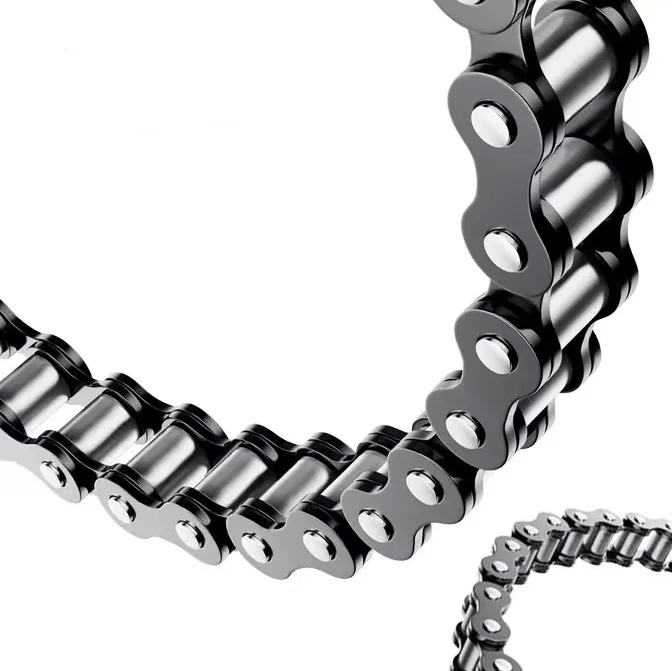
How do you tension a roller chain correctly?
Proper tensioning of a roller chain is crucial for its optimal performance and longevity. Here’s a detailed answer to the question:
1. Initial Installation: When installing a roller chain, it’s important to ensure that it has the correct tension from the beginning. Start by positioning the sprockets at their desired locations, ensuring proper alignment. Then, adjust the position of the shafts or tensioning devices to achieve the desired chain tension.
2. Check the Slack: After installation, check the slack or sag in the chain. The ideal tension allows for a small amount of slack to accommodate articulation around the sprockets. The slack should be uniform along the chain’s length.
3. Adjust the Tensioner: If the chain tension is too loose, adjust the tensioner to take up the slack. Tensioners can be spring-loaded devices, adjustable bolts, or idler sprockets designed to maintain proper tension. Follow the manufacturer’s instructions or recommended guidelines to set the tensioner to the appropriate position.
4. Measure the Deflection: Another method to ensure correct chain tension is to measure the chain deflection. Apply a slight force perpendicular to the chain midway between the sprockets. The deflection should typically be within a specified range, depending on the chain size and application. Refer to the manufacturer’s guidelines for the recommended deflection values.
5. Regular Inspections: Regularly inspect the chain tension to ensure it remains within the desired range. Factors such as wear, elongation, and changes in operating conditions can affect chain tension over time. Adjust the tension as necessary to maintain optimal performance.
6. Follow Manufacturer’s Recommendations: It’s important to follow the manufacturer’s recommendations for chain tensioning specific to the type and model of roller chain being used. These guidelines will provide specific instructions based on the chain’s design, load capacity, and intended application.
Proper tensioning of a roller chain helps ensure smooth operation, minimize wear, reduce the risk of failure, and extend the chain’s lifespan. It’s essential to regularly monitor and adjust the tension as needed, especially during routine maintenance checks, to maintain optimal performance and prevent potential issues.


editor by CX 2023-11-02