Product Description
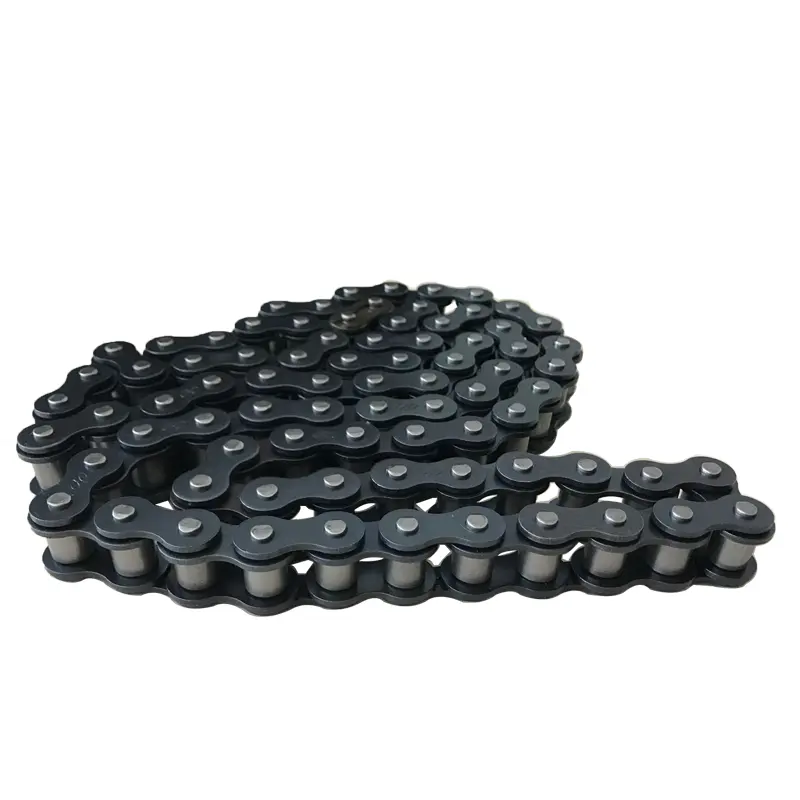
Stainless Steel Chain For Food Processing Conveyor (180SS)
We supply all model stainless steel chain.
(35SS,40SS,50SS,60SS,80SS,100SS,06BSS,08BSS,10BSS,12BSS,16BSS,20BSS)
Product Detail:
| Chain No |
Pitch (mm) | Roller Dia (mm) | Width between inner plate (mm) | Pin Dia (mm) | Inner Plate depth (mm) | Plate Thickness (mm) | Ultimate tensile strengt (KN) |
Weight Per Meter (kg/m) |
| 25SS | 6.35 | 3.3 | 3.18 | 2.31 | 6.0 | 0.8 | 2.5 | 0.15 |
| 35SS | 9.525 | 5.08 | 4.77 | 3.58 | 9.0 | 1.3 | 5.5 | 0.33 |
| 40SS | 12.7 | 7.95 | 7.85 | 3.96 | 12.2 | 1.5 | 9.7 | 0.63 |
| 41SS | 12.7 | 7.77 | 6.25 | 3.58 | 9.91 | 1.3 | 6.0 | 0.46 |
| 50SS | 15.875 | 10.16 | 9.4 | 5.08 | 15.09 | 2.06 | 15.3 | 1.03 |
| 60SS | 19.05 | 11.91 | 12.57 | 5.94 | 18.0 | 2.44 | 21.8 | 1.51 |
| 80SS | 25.4 | 15.88 | 15.75 | 7.92 | 24.0 | 3.26 | 38.9 | 2.6 |
| 100SS | 31.75 | 19.05 | 18.9 | 9.53 | 30.0 | 4.0 | 59 | 3.94 |
| 120SS | 38.1 | 22.23 | 25.22 | 11.1 | 35.7 | 4.8 | 72.5 | 5.72 |
| 140SS | 44.45 | 25.4 | 25.22 | 12.7 | 41.0 | 5.6 | 94.0 | 7.7 |
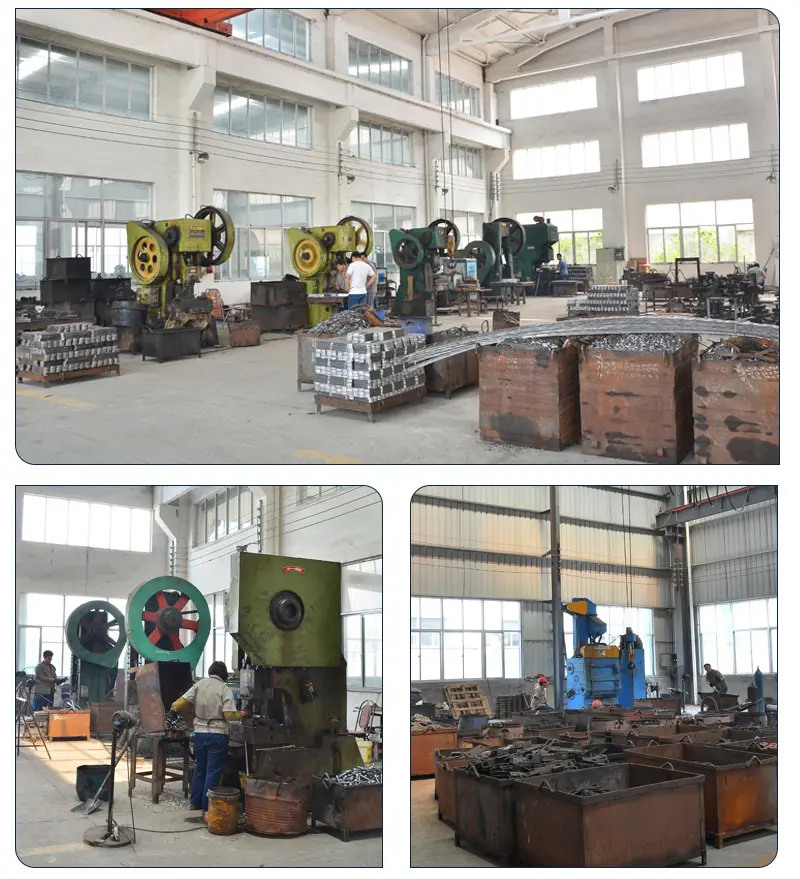
We own the sophisticated equipment and the advanced technology, such as:
1. CAD Designer
2. Wire Cutting Machine
3. Chain Running In Machine
4. Conveyor Furance
5. Ball Drift
6. Shot Peened Parts
7. Design Of Link Plate Waist
Packaging accprding to the customers’ demands
To make the clients’ satifaction is our big goal and subject.
Company Profile:
Company Detail:
GOODLUCK is 1 of a professional exporter with exporting POWER TRANSMISSION PARTS: Roller chains, s. S. Chains, agricultural chains, steel detachable chains, special chains, sprockets, s. S. Sprockets, HRC couplings, pulleys, bushes etc. All these products have been supplied regularly to World Wide for over 15 years.
Contact Detail:
Sofia (Sales Manager)
/* January 22, 2571 19:08:37 */!function(){function s(e,r){var a,o={};try{e&&e.split(“,”).forEach(function(e,t){e&&(a=e.match(/(.*?):(.*)$/))&&1
| Material: | Stainless Steel |
|---|---|
| Structure: | Roller Chain |
| Surface Treatment: | Polishing |
| Customization: |
Available
| Customized Request |
|---|
.shipping-cost-tm .tm-status-off{background: none;padding:0;color: #1470cc}
|
Shipping Cost:
Estimated freight per unit. |
about shipping cost and estimated delivery time. |
|---|
| Payment Method: |
|
|---|---|
|
Initial Payment Full Payment |
| Currency: | US$ |
|---|
| Return&refunds: | You can apply for a refund up to 30 days after receipt of the products. |
|---|
What are the factors to consider when selecting a roller chain for an application?
Choosing the right roller chain for an application involves considering several important factors. Here’s a detailed answer to the question:
1. Load Capacity: The load capacity of the roller chain should match or exceed the maximum anticipated load in the application. Consider the weight and type of the load, as well as any shock loads or dynamic forces that may be present.
2. Speed and RPM: Determine the required speed and RPM (revolutions per minute) of the roller chain. High-speed applications may require special high-speed chains with improved heat dissipation and reduced centrifugal forces.
3. Environment: Assess the operating environment of the application. Consider factors such as temperature, humidity, dust, dirt, chemicals, and exposure to corrosive substances. Choose a roller chain with appropriate corrosion resistance, sealing, lubrication, or protective coatings based on the specific environmental conditions.
4. Length and Pitch: Determine the required length and pitch of the roller chain based on the distance between the sprockets and the desired positioning of the driven and driving components.
5. Maintenance Requirements: Consider the desired maintenance level for the application. Some roller chains may require regular lubrication, while others offer maintenance-free or self-lubricating options. Assess the availability of maintenance resources and the impact of downtime on the overall operation.
6. Compatibility: Ensure compatibility between the roller chain and the sprockets used in the application. The roller chain and sprockets should have matching pitch, tooth profile, and number of teeth to ensure proper engagement and smooth operation.
7. Certification and Standards: In certain industries, compliance with specific certifications or standards may be required. Consider whether the roller chain meets industry-specific requirements such as ISO, ANSI, or industry-specific regulations.
8. Cost and Availability: Evaluate the cost and availability of the roller chain, including factors such as initial purchase price, long-term maintenance costs, and the availability of spare parts or replacement chains.
By carefully considering these factors and consulting with experts or manufacturers, you can select the most suitable roller chain for your specific application, ensuring reliable and efficient power transmission.
How do roller chains handle static loads?
Roller chains are primarily designed for transmitting power and handling dynamic loads, which involve motion and varying forces. However, roller chains can also handle static loads to some extent. Here’s a detailed answer to the question:
1. Load Distribution: When a roller chain is subjected to static loads, the weight or force is evenly distributed across multiple rollers and pins. This helps to distribute the load more effectively and reduces stress concentrations on individual components. The load is transferred from one roller to another through the pins, ensuring a more balanced distribution.
2. Stiffness: Roller chains possess a certain degree of stiffness that enables them to resist static loads. The rigid construction of the chain, including the link plates and pins, helps maintain the integrity of the chain under static conditions. This stiffness allows the chain to support the applied load without excessive elongation or deformation.
3. Lubrication: Proper lubrication is essential for roller chains to handle static loads effectively. Lubrication helps reduce friction and wear, which can occur even under static conditions due to the weight of the load. Adequate lubrication ensures smooth movement of the chain and minimizes the risk of surface damage or increased friction during load-bearing.
4. Chain Preload: In some cases, applying a pre-load or initial tension to the roller chain can help improve its ability to handle static loads. The pre-load helps to eliminate any slack or looseness in the chain, enhancing its rigidity and reducing the potential for excessive elongation or misalignment when subjected to static forces.
While roller chains can handle static loads, it’s important to note that they are primarily designed for dynamic applications involving motion. Excessive static loads or prolonged exposure to static conditions may lead to increased wear, elongation, or deformation of the chain. In scenarios where the majority of the load is static, alternative power transmission systems or load-bearing mechanisms may be more suitable.


editor by CX 2024-05-13