Product Description
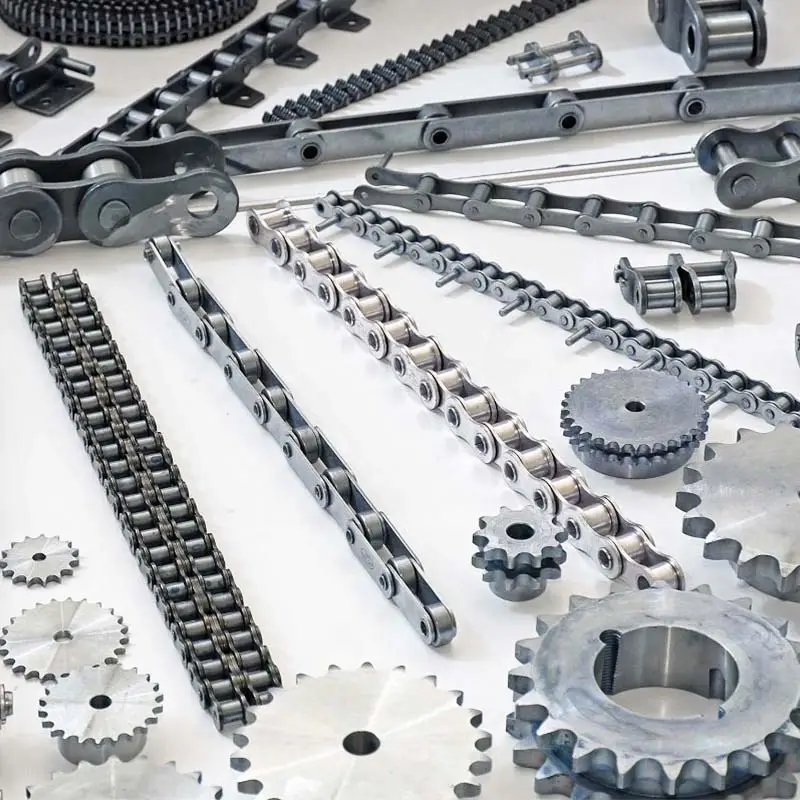
Specification OF Roller Chain —Speedway:
We developed and produced many tractor spare parts for European/Jananese Tractors .
Tractor Model we can supply: B1500/1400,B5000,B6000, B7000, TU1400, TX1400, TX1500, YM F1401, YM1400 ETC.
The parts for example: Gearboxes, Tyres, rim Jante, Kit coupling KB-TX 3 point linkage. Exhaust pipe Steering wheel. Kit coupling YM F14/F15, gear shaft, PTO shaft, PTO cardan, key, regulator ect.
Most of the spare parts are with stock. If you are interested in, please feel easy to contact me.
Other relevant parts for cars or machinery we have made in our workshop are as follows:
Drive shaft parts and assemblies,
PTO GEARBOX,
Universal joint parts and assemblies,
PTO drive shafts,
Spline shafts,
Slip yokes,
Weld yokes,
Flange yokes,
Steering columns,
Connecting rods,
etc.
Product Description
Item:
Company Profile
Certifications
FAQ
| Standard or Nonstandard: | Standard |
|---|---|
| Application: | Agricultural Machinery |
| Surface Treatment: | Chrome Plating |
| Structure: | Roller Chain |
| Material: | Alloy Steel,High Carbon Steel,40mn,40cr |
| Type: | Short Pitch Chain |
| Samples: |
US$ 100/Piece
1 Piece(Min.Order) | |
|---|
How do roller chains handle shock and impact loads?
Roller chains are designed to handle shock and impact loads, but their ability to withstand these loads depends on several factors:
1. Chain Design: Roller chains are constructed with durable components, including rollers, pins, and plates, which are designed to handle the forces generated by shock and impact loads. The geometry and dimensions of these components contribute to the chain’s overall strength and ability to resist deformation.
2. Material Selection: High-quality materials are used in the manufacturing of roller chains to enhance their strength and durability. Common materials include carbon steel, stainless steel, or specialty alloys. The material selection depends on the specific application requirements and the level of shock and impact loads anticipated.
3. Chain Tension: Proper chain tension is important for handling shock and impact loads. Adequate tension helps maintain the engagement of the chain with the sprockets, preventing slippage and reducing the likelihood of damage due to sudden forces. However, excessive tension can also contribute to increased stress and potential failure, so it’s important to follow the manufacturer’s guidelines for chain tension.
4. Lubrication: Proper lubrication plays a crucial role in reducing friction and wear, which can be accelerated by shock and impact loads. Lubricants help minimize the generation of heat and provide a protective film between the chain components, reducing wear and extending the chain’s lifespan. Regular lubrication and maintenance are essential for optimal performance under shock and impact conditions.
5. Chain Inspection and Maintenance: Regular inspection and maintenance are necessary to identify any signs of wear, damage, or elongation in the roller chain. Chains should be inspected for bent or deformed links, worn-out rollers or pins, and excessive elongation. Any worn or damaged components should be replaced promptly to prevent further deterioration and ensure the chain’s ability to handle shock and impact loads.
It’s important to note that while roller chains are designed to handle shock and impact loads, excessive or repetitive shock loads can shorten their lifespan. Therefore, it’s recommended to assess the specific application requirements and consult with the manufacturer to ensure the appropriate chain design and maintenance practices are followed for optimal performance and longevity under shock and impact conditions.
Can roller chains be used for power transmission in industrial equipment?
Yes, roller chains are widely used for power transmission in various industrial equipment and machinery. Here’s a detailed answer to the question:
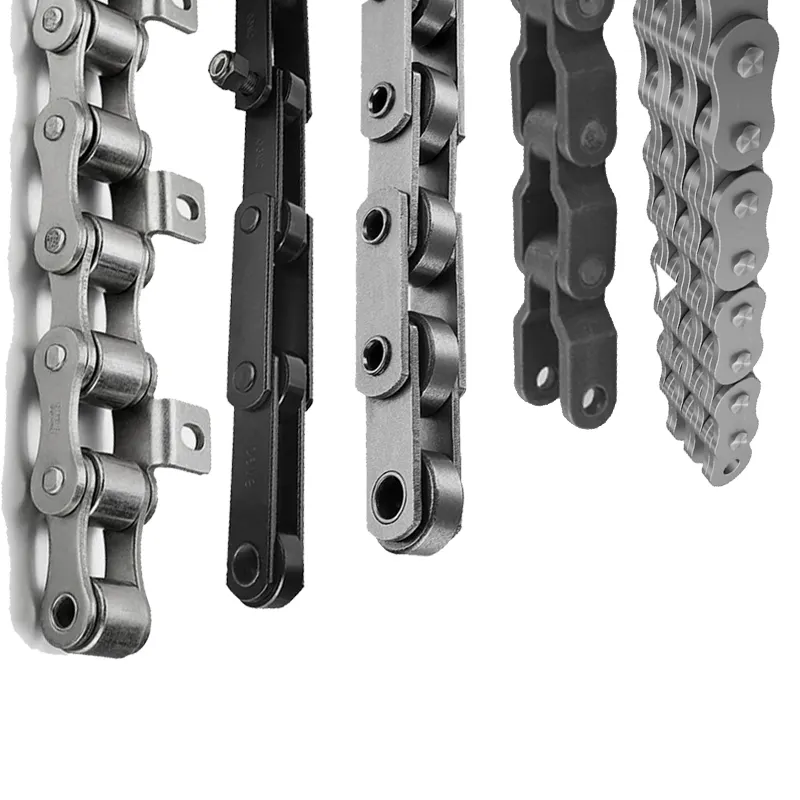
1. Versatility: Roller chains are known for their versatility and can be used in a wide range of industrial applications. They are commonly employed in machinery such as conveyors, agitators, mixers, hoists, elevators, packaging equipment, material handling systems, and many other types of industrial equipment.
2. Power Transmission: Roller chains excel in transmitting power from one rotating shaft to another. They can efficiently transfer high torque and handle heavy loads, making them suitable for demanding industrial applications where power transmission is required.
3. Load Capacity: Roller chains are designed to withstand significant loads and provide reliable power transmission. They are available in various sizes and strengths, allowing for customization based on the specific load requirements of the industrial equipment.
4. Durability: Roller chains are built to be durable and withstand harsh operating conditions typically encountered in industrial environments. They are constructed using high-quality materials and undergo heat treatment processes to enhance their strength and resistance to wear, fatigue, and elongation.
5. Efficiency: Roller chains offer high transmission efficiency due to their positive engagement with the sprockets. The rollers on the chain engage with the sprocket teeth, minimizing slippage and ensuring reliable power transfer. This results in efficient operation and optimized performance of industrial equipment.
6. Easy Maintenance: Roller chains are relatively easy to maintain, especially when compared to other power transmission systems. Proper lubrication and periodic inspection are essential to ensure smooth operation and extend the chain’s lifespan. Regular maintenance routines can be implemented to keep the chains in optimal condition and minimize downtime.
7. Cost-Effectiveness: Roller chains are generally cost-effective compared to alternative power transmission methods. They offer a balance between performance, durability, and affordability, making them a popular choice for power transmission in industrial equipment.
In summary, roller chains are well-suited for power transmission in industrial equipment due to their versatility, load capacity, durability, efficiency, ease of maintenance, and cost-effectiveness. When selecting roller chains for industrial applications, it’s important to consider factors such as load requirements, speed, environmental conditions, and compatibility with the specific equipment to ensure optimal performance and longevity.
How do you tension a roller chain correctly?
Proper tensioning of a roller chain is crucial for its optimal performance and longevity. Here’s a detailed answer to the question:
1. Initial Installation: When installing a roller chain, it’s important to ensure that it has the correct tension from the beginning. Start by positioning the sprockets at their desired locations, ensuring proper alignment. Then, adjust the position of the shafts or tensioning devices to achieve the desired chain tension.
2. Check the Slack: After installation, check the slack or sag in the chain. The ideal tension allows for a small amount of slack to accommodate articulation around the sprockets. The slack should be uniform along the chain’s length.
3. Adjust the Tensioner: If the chain tension is too loose, adjust the tensioner to take up the slack. Tensioners can be spring-loaded devices, adjustable bolts, or idler sprockets designed to maintain proper tension. Follow the manufacturer’s instructions or recommended guidelines to set the tensioner to the appropriate position.
4. Measure the Deflection: Another method to ensure correct chain tension is to measure the chain deflection. Apply a slight force perpendicular to the chain midway between the sprockets. The deflection should typically be within a specified range, depending on the chain size and application. Refer to the manufacturer’s guidelines for the recommended deflection values.
5. Regular Inspections: Regularly inspect the chain tension to ensure it remains within the desired range. Factors such as wear, elongation, and changes in operating conditions can affect chain tension over time. Adjust the tension as necessary to maintain optimal performance.
6. Follow Manufacturer’s Recommendations: It’s important to follow the manufacturer’s recommendations for chain tensioning specific to the type and model of roller chain being used. These guidelines will provide specific instructions based on the chain’s design, load capacity, and intended application.
Proper tensioning of a roller chain helps ensure smooth operation, minimize wear, reduce the risk of failure, and extend the chain’s lifespan. It’s essential to regularly monitor and adjust the tension as needed, especially during routine maintenance checks, to maintain optimal performance and prevent potential issues.


editor by CX 2023-10-19