Product Description
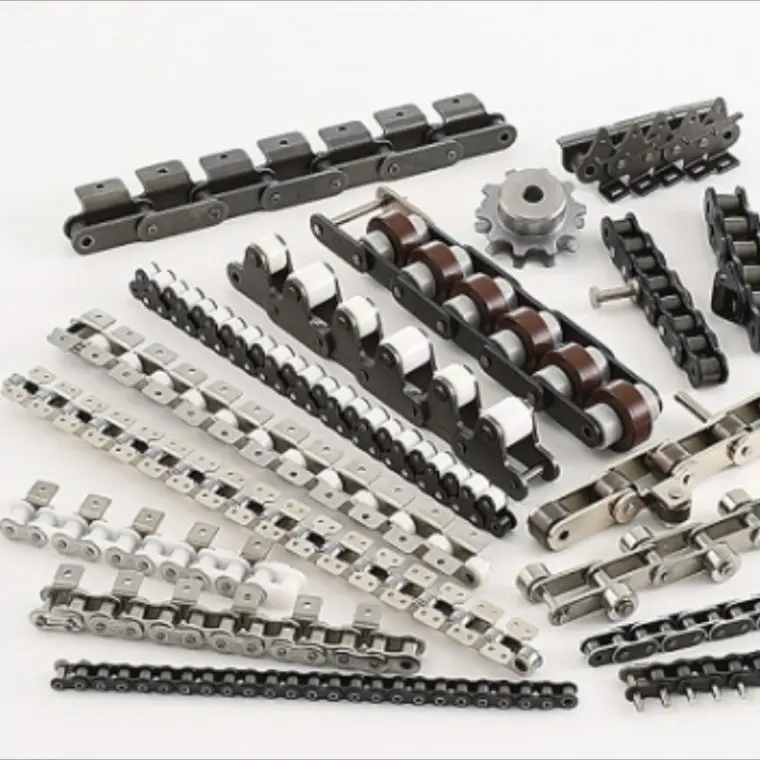
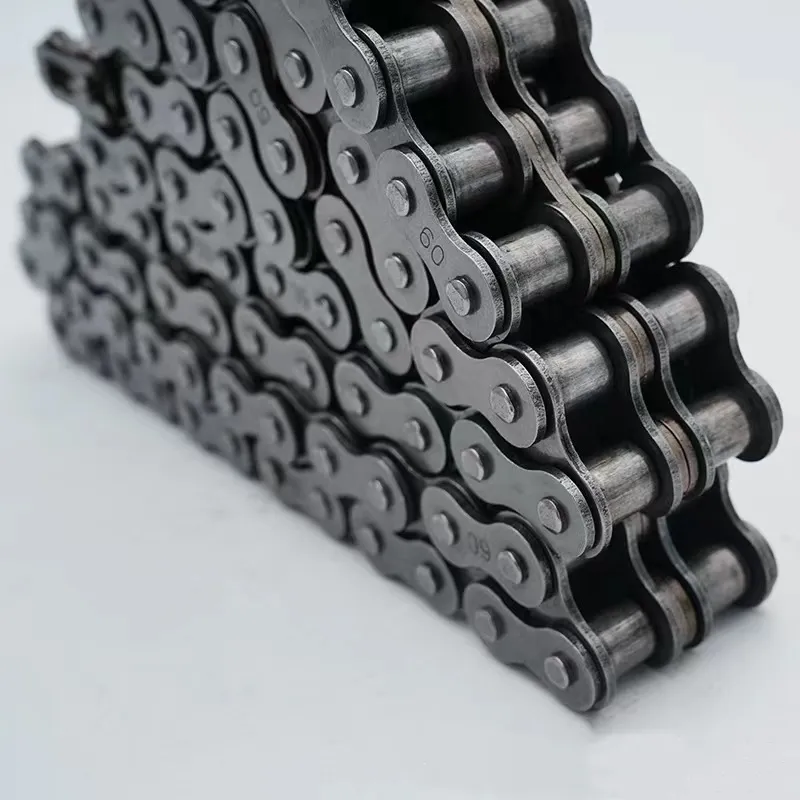
ISO Standard Short Pitch Precision Simplex Hardware Motorcycle Industrial Roller Chain
Product Description
1. Material: Alloy Steel
2. Surface Treatment: Shot peening
3. Application: The product is mainly applied in small lifting.
4. Chain No: 40-1, 50-1, 60-1, 80B-1, 10B-1, 12B-1, etc.
| Product name | ISO Standard Short Pitch Precision Simplex Hardware Motorcycle Industrial Roller Chain |
| Materials Available | 1. Stainless Steel: SS304, SS316, etc |
| 2. Alloy Steel: 45Mn, 42CrMo, 20CrMo, etc | |
| 3. OEM according to your request | |
| Surface Treatment | Shot peening, Blackening, Oxygenation, Polishing, Zinc-plated, Nickel-plated, Anodized, etc. |
| Characteristic | Fire Resistant, Oil Resistant, Heat Resistant |
| Design criterion | ISO DIN ANSI & Customer’s Drawing |
| Size | Customer’s Drawing & ISO standard |
| Package | Wooden Case / Container and pallet, or made-to-order |
| Certificate | ISO9001: 2008 |
| Advantage | Firtsr quality, Best service, Competitive price, Fast delivery |
| Delivery Time | 20 days for samples. 45 days for official order. |
Detailed Photos
View more products,please click here…
Company Profile
/* January 22, 2571 19:08:37 */!function(){function s(e,r){var a,o={};try{e&&e.split(“,”).forEach(function(e,t){e&&(a=e.match(/(.*?):(.*)$/))&&1
| Usage: | Transmission Chain |
|---|---|
| Material: | Alloy |
| Surface Treatment: | Oil Blooming |
| Feature: | Oil Resistant |
| Chain Size: | 40-1, 08b-1 |
| Structure: | Roller Chain |
| Samples: |
US$ 0/Meter
1 Meter(Min.Order) | |
|---|
| Customization: |
Available
| Customized Request |
|---|
What are the maintenance intervals for roller chains?
Maintenance intervals for roller chains can vary depending on several factors, including the specific application, operating conditions, and manufacturer’s recommendations. Here’s a detailed answer to the question:
1. Lubrication: Proper lubrication is essential for the smooth operation and longevity of a roller chain. Lubrication intervals depend on the type of lubricant used, the chain’s speed, and the operating conditions. In general, it is recommended to lubricate the chain every 200-300 miles or as specified by the motorcycle manufacturer.
2. Tension Adjustment: Chain tension should be checked regularly and adjusted as needed to maintain optimal performance. Over time, roller chains can elongate due to wear, which affects their tension. It is recommended to check the chain tension every 500-1,000 miles or as advised by the motorcycle manufacturer.
3. Inspection: Regular visual inspection of the roller chain is important to identify any signs of wear, damage, or misalignment. Inspect the chain for loose or missing rollers, damaged links, excessive wear on sprockets, and any signs of rust or corrosion. Inspections should be performed at least every 500-1,000 miles or as recommended by the motorcycle manufacturer.
4. Cleaning: Periodic cleaning of the roller chain helps remove dirt, debris, and accumulated grime that can interfere with its performance. Cleaning intervals depend on the riding conditions and the level of contamination. Generally, it is advisable to clean the chain every 1,000-2,000 miles or when it appears visibly dirty.
5. Replacement: Roller chains have a finite lifespan and will eventually require replacement. The replacement interval depends on various factors, including the chain’s quality, usage conditions, and maintenance practices. As a general guideline, roller chains should be replaced when they become excessively worn, elongated beyond the manufacturer’s specifications, or show signs of damage that compromise their integrity.
It’s important to note that the maintenance intervals provided here are general guidelines, and it is crucial to refer to the motorcycle manufacturer’s specific recommendations for the roller chain used in your motorcycle. Adhering to the manufacturer’s guidelines and performing regular maintenance can help ensure the roller chain’s optimal performance, reliability, and longevity.
How do roller chains handle abrasive environments?
Roller chains are designed to handle various operating conditions, including abrasive environments. Here’s a detailed answer to the question:
1. Material Selection: Roller chains are typically constructed using high-quality materials that offer good resistance to abrasion. Common materials used for roller chains include alloy steel, stainless steel, or specialized coatings that enhance wear resistance.
2. Surface Hardness: The components of a roller chain, such as the pins, bushings, and rollers, are heat-treated to achieve a high surface hardness. This hardness helps to resist wear caused by abrasive particles present in the environment.
3. Lubrication: Proper lubrication plays a crucial role in protecting roller chains from abrasive wear. Lubricants act as a barrier between the chain components and abrasive contaminants, reducing friction and minimizing wear. The lubricant also helps to flush away any abrasive particles that may come in contact with the chain.
4. Sealing and Protection: Roller chains can be equipped with seals or protective covers to provide an additional layer of defense against abrasive particles. These seals help to prevent contaminants from entering the chain and causing premature wear. Seals also help to retain lubrication within the chain, further enhancing its performance in abrasive environments.
5. Regular Maintenance: Regular inspection and maintenance are essential to ensure the longevity of roller chains in abrasive environments. This includes periodic cleaning to remove accumulated debris and checking for signs of wear or damage. Prompt replacement of worn components is necessary to prevent further deterioration and ensure reliable operation.
While roller chains are generally robust in abrasive environments, it’s important to consider the severity of the abrasion, as extremely abrasive conditions may require specialized chain materials or additional protective measures. Consulting with experts and selecting the appropriate chain design and materials based on the specific application requirements can help maximize the performance and lifespan of roller chains in abrasive environments.
What is a roller chain and how does it work?
A roller chain is a type of transmission chain that is commonly used in various mechanical systems to transmit power and motion between rotating shafts. It consists of a series of interconnected links, including inner plates, outer plates, rollers, and pins. Here’s a detailed answer to the question:
A roller chain operates based on the principle of contact and rolling motion. The basic components of a roller chain include:
- Inner Plates: These are flat metal plates with holes through which the pins pass.
- Outer Plates: These are similar to inner plates and are connected to the inner plates through pins.
- Rollers: The rollers are cylindrical components that are positioned between the inner and outer plates. They have a slightly larger diameter than the pins, allowing them to freely rotate.
- Pins: The pins hold the inner and outer plates together and provide a pivot point for the rollers. They pass through the holes in the inner and outer plates and secure them in place.
When the roller chain is installed in a system, it wraps around a pair of sprockets. The sprockets have teeth that mesh with the rollers of the chain. As one sprocket rotates, it engages with the rollers and pulls the chain along, causing the other sprocket to rotate as well.
The working principle of a roller chain involves the following steps:
- Engagement: The chain is positioned around the sprockets, and the rollers engage with the teeth of the sprockets.
- Tension: The tension in the chain is created by the movement of the sprockets, which causes the chain to wrap tightly around them.
- Rolling Motion: As the sprockets rotate, they impart a rolling motion to the rollers. The rollers, in turn, rotate freely on the pins, allowing the chain to move smoothly along the sprockets.
- Power Transmission: The rotational motion of one sprocket is transferred to the other sprocket through the chain. This enables the transmission of power and motion between the two shafts connected to the sprockets.
Roller chains are widely used in various applications, including machinery, automobiles, motorcycles, bicycles, conveyors, and more. They offer high efficiency, reliability, and the ability to transmit substantial amounts of power. Regular maintenance, including lubrication and periodic inspection, is essential to ensure the proper functioning and longevity of a roller chain.


editor by CX 2024-04-10