Product Description
Product Description
|
HRSY Roller Chain Profile |
|||
|
Standard: |
ANSI, DIN, ISO |
||
|
Type: |
Drive chains, Conveyor chains, Engineering chains, Agricultural chains, Traction chains, Escalator chains |
||
|
Drive chain |
Short pitch precision roller chain (A series, B series, Hevey duty series roller chain) High strength short pitch roller chains Self-lubrication roller chain O-Ring chains Oil filed chains Heavy duty cranked-link transmission chains Double pitch transmission chains Inverted tooth chains Motorcycle chains Other (Driver chains) |
||
|
Conveyor chains |
Conveying roller chains Rubber attached plate chains Printing iron drying room line chains Double hinged conveyor chains Metric (M type) conveyor chains FV series conveyor chains Wooden conveyor chains Chains for food packaging machinery Conveyor chains for paper roll |
||
|
Engineering chains |
Conveying chains for cement industry Scraper conveyor chains Conveyor chains for coal washer Rubber gloves carrier chains Steel sleeve chain for engineering Welded-steel-type mill chains Sugar machine chains Conveyor chains for steel mill |
||
|
Agricultural chains |
Agricultural machinery drive chains Steel pintle chains ZGS38 combine harvester chains Rice harvester chains S type C type Others |
||
|
Traction chains |
Plate chains Leaf chains for sky stacker Traction chains Others |
||
|
Escalator chains |
Escalator step chains Escalator driver chains |
||
|
Material |
40Mn, 45Mn, SS316, SS304, SS201 |
||
|
Advantage |
We have competitive price and high quality. Our stock standard length: 5ft each piece, 10ft each piece. Custom length: We can custom according to your demand. We can accept your Logo, accept ODM, OEM. |
||
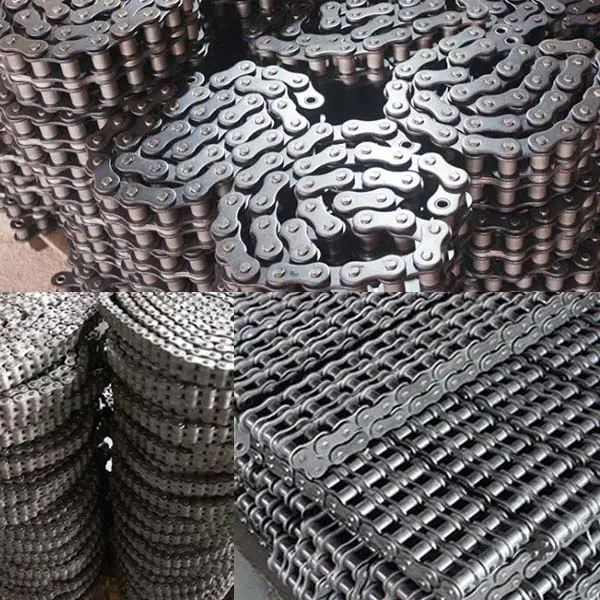
Detailed Photos
Packaging & Shipping
Company Profile
ZheJiang Haorongshengye Electrical Equipment Co., Ltd.
1. Was founded in 2008
2. Our Principle:
“Credibility Supremacy, and Customer First”
3. Our Promise:
“High quality products, and Excellent Service”
4. Our Value:
“Being Honesty, Doing the Best, and Long-lasting Development”
5. Our Aim:
“Develop to be a leader in the power transmission parts industry in the world”
|
6.Our services: |
1).Competitive price |
|||
|
2).High quality products |
||||
|
3).OEM service or can customized according to your drawings |
||||
|
4).Reply your inquiry in 24 hours |
||||
|
5).Professional technical team 24 hours online service |
||||
|
6).Provide sample service |
||||
Main products
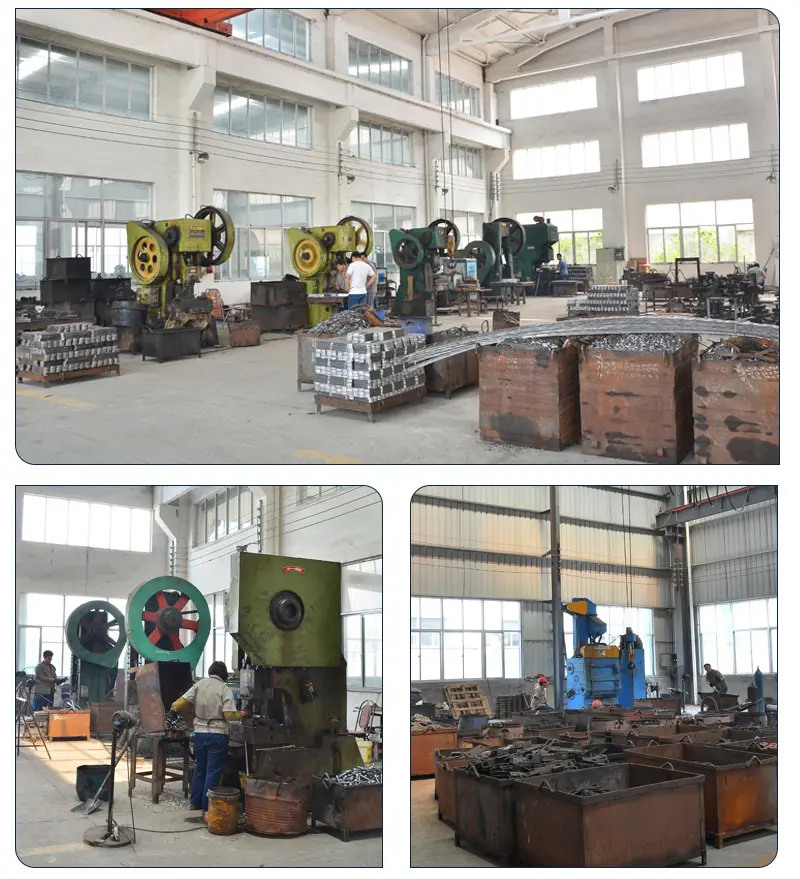
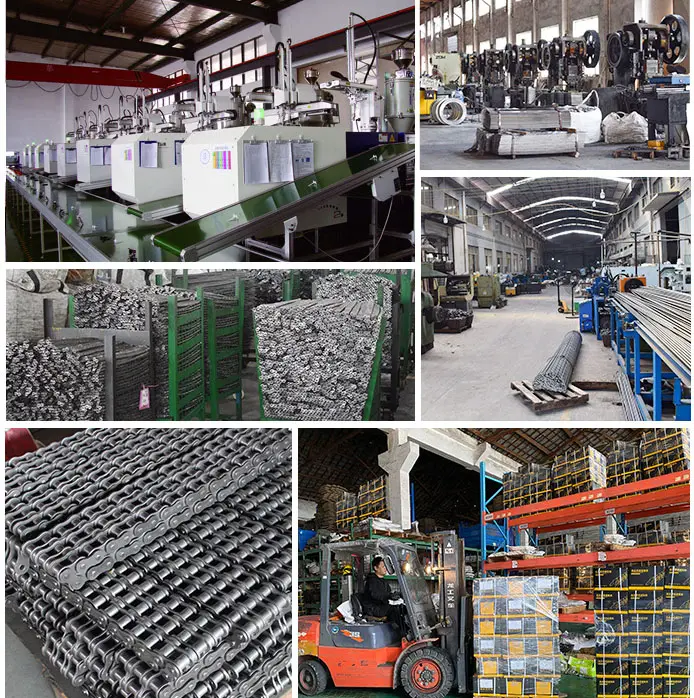
Machines
Exbihition
/* January 22, 2571 19:08:37 */!function(){function s(e,r){var a,o={};try{e&&e.split(“,”).forEach(function(e,t){e&&(a=e.match(/(.*?):(.*)$/))&&1
| Standard or Nonstandard: | Standard |
|---|---|
| Application: | Textile Machinery, Garment Machinery, Conveyer Equipment, Packaging Machinery, Electric Cars, Motorcycle, Food Machinery, Marine, Mining Equipment, Agricultural Machinery, Car |
| Surface Treatment: | Oil Blooming |
| Structure: | Roller Chain |
| Material: | Stainless Steel |
| Type: | Short Pitch Chain |
| Samples: |
US$ 50/Meter
1 Meter(Min.Order) | |
|---|
| Customization: |
Available
| Customized Request |
|---|
What are the benefits of using a roller chain in agricultural machinery?
Roller chains offer several advantages when used in agricultural machinery:
1. High Strength and Durability: Roller chains are designed to withstand heavy loads and harsh operating conditions commonly found in agricultural machinery. They are built with robust materials and precision engineering, making them capable of handling the demanding requirements of agricultural applications.
2. Efficient Power Transmission: Roller chains provide efficient power transmission from the engine to various agricultural components such as harvesters, tractors, and conveyors. They have low frictional losses, allowing for efficient transfer of torque and minimizing power wastage.
3. Wide Range of Sizes and Configurations: Roller chains are available in various sizes, pitches, and configurations, allowing them to be used in different types of agricultural machinery. This versatility enables manufacturers to select the appropriate chain for specific applications, ensuring optimal performance and reliability.
4. Versatile and Reliable: Roller chains can be used in a wide range of agricultural machinery, including harvesters, combines, planters, balers, and more. They provide reliable power transmission and can operate in diverse agricultural environments, including fields, orchards, and livestock facilities.
5. Easy Maintenance: Roller chains are relatively easy to maintain. Regular lubrication and periodic inspection are essential to ensure smooth operation and prevent premature wear. With proper maintenance, roller chains can have a long service life, reducing downtime and maintenance costs for agricultural machinery.
6. Cost-Effective Solution: Roller chains offer a cost-effective solution for power transmission in agricultural machinery. They are typically more affordable compared to alternative drive systems, such as gears or belts, while still providing reliable and efficient performance.
7. Adaptability to Variable Speeds: Agricultural machinery often requires variable speed control based on specific tasks or crop conditions. Roller chains can handle variable speeds effectively, allowing for precise control and adjustment to meet the varying demands of agricultural operations.
Overall, the use of roller chains in agricultural machinery offers durability, efficiency, versatility, and cost-effectiveness. They provide reliable power transmission, enabling agricultural equipment to operate efficiently and effectively in demanding farming environments.
What are the limitations of using roller chains in certain applications?
Roller chains are versatile and widely used in various applications, but they do have some limitations to consider. Here’s a detailed answer to the question:
1. Speed Limitations: Roller chains have a practical speed limit due to factors such as chain length, centrifugal forces, and roller-to-sprocket engagement. At high speeds, the centrifugal forces can cause excessive chain vibration and increase wear, potentially leading to chain failure. In such cases, alternative power transmission systems like gears or belts may be more suitable.
2. Precision Requirements: Roller chains require proper alignment and tensioning for efficient operation. In applications that demand high precision, such as precision machinery or robotics, the inherent flexibility and slight elongation of roller chains may not meet the desired accuracy requirements. In such cases, alternative systems like timing belts or direct drive solutions may be preferred.
3. Environmental Limitations: Roller chains may not be suitable for certain environments with extreme temperatures, corrosive substances, or high levels of contamination. Harsh conditions can accelerate chain wear, reduce lubrication effectiveness, or cause corrosion. In these situations, specialized chains with appropriate coatings or alternative power transmission systems may be necessary.
4. Noise and Vibration: Roller chains can generate noise and vibrations during operation, particularly when not properly tensioned or maintained. In applications where noise or vibration is a concern, such as in noise-sensitive environments or precision machinery, additional measures like chain tensioners, vibration dampening, or alternative drive systems may be required.
5. Size and Space Constraints: Roller chains have a certain physical size and require appropriate clearance for installation. In applications with limited space or tight packaging requirements, alternative power transmission systems like compact belts or direct drives might be more suitable.
It’s important to carefully evaluate the specific requirements and constraints of each application when considering the use of roller chains. Alternative power transmission systems may be more suitable in certain cases, and consulting with experts or manufacturers can help determine the best solution for the intended application.
What safety precautions should be taken when working with roller chains?
Working with roller chains requires following specific safety precautions to ensure the well-being of operators and prevent accidents. Here is a detailed answer to the question:
1. Personal protective equipment (PPE): Operators should wear appropriate PPE, including safety goggles, gloves, and protective clothing, to protect themselves from potential hazards such as flying debris, oil splashes, or pinch points.
2. Training and knowledge: Operators should receive proper training on the safe operation and maintenance of roller chains. They should be familiar with the equipment’s components, functions, and potential hazards associated with chain handling, tensioning, and lubrication.
3. Lockout/tagout procedures: Before performing any maintenance or repair work on machinery equipped with roller chains, proper lockout/tagout procedures should be followed to isolate and de-energize the equipment. This ensures that unexpected startup or movement of the chain does not occur, reducing the risk of accidents.
4. Inspection and maintenance: Regular inspection and maintenance of roller chains are essential to identify any signs of wear, damage, or misalignment. Operators should follow the manufacturer’s guidelines for inspection intervals and perform necessary maintenance tasks, such as lubrication, tension adjustment, and sprocket alignment, to keep the chain in optimal condition.
5. Proper tensioning: Maintaining the correct tension in the roller chain is crucial for its safe and efficient operation. Overly tight or loose chains can lead to excessive stress, premature wear, and potential chain failure. Operators should adhere to the recommended tensioning guidelines provided by the manufacturer.
6. Guarding and barriers: Installing appropriate guarding and barriers around roller chain assemblies can help prevent accidental contact with moving parts. This includes the use of chain guards, covers, or enclosures to minimize the risk of entanglement or injury.
7. Cleanliness and housekeeping: Keeping the work area clean and free from debris, oil spills, or other potential hazards is important to maintain a safe working environment. Regular cleaning of the roller chain and surrounding equipment helps prevent contamination, improves performance, and reduces the risk of slips and falls.
8. Risk assessment: Before working with roller chains, it is essential to conduct a thorough risk assessment to identify potential hazards and implement appropriate control measures. This includes evaluating factors such as load capacity, speed, environmental conditions, and specific requirements for the application.
By following these safety precautions, operators can minimize the risk of accidents and ensure the safe operation of machinery equipped with roller chains.


editor by CX 2024-05-08