Product Description
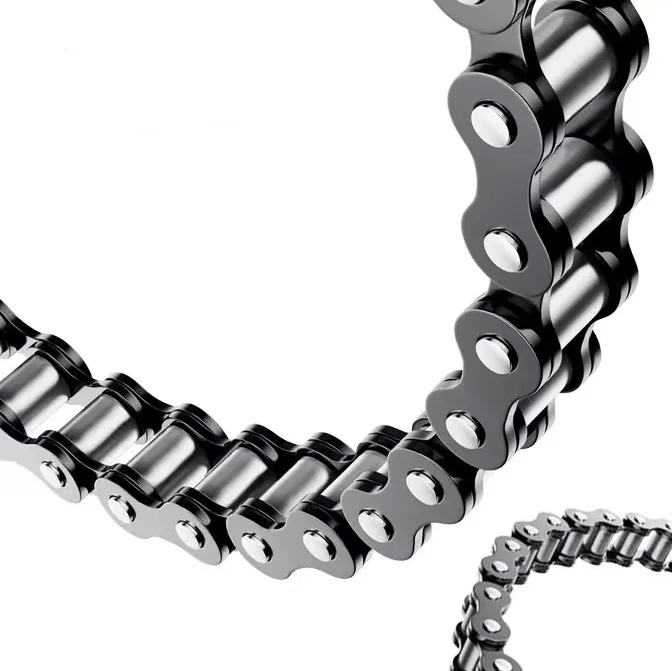
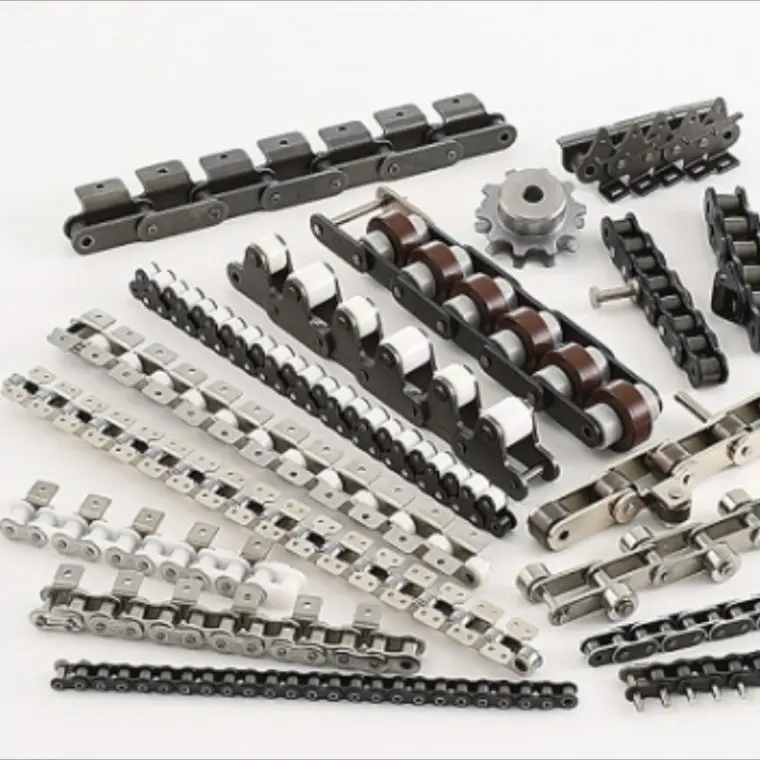
ISO Standard Short Pitch Precision Simplex Hardware Motorcycle Industrial Roller Chain
Product Description
1. Material: Alloy Steel
2. Surface Treatment: Shot peening
3. Application: The product is mainly applied in small lifting.
4. Chain No: 40-1, 50-1, 60-1, 80B-1, 10B-1, 12B-1, etc.
| Product name | ISO Standard Short Pitch Precision Simplex Hardware Motorcycle Industrial Roller Chain |
| Materials Available | 1. Stainless Steel: SS304, SS316, etc |
| 2. Alloy Steel: 45Mn, 42CrMo, 20CrMo, etc | |
| 3. OEM according to your request | |
| Surface Treatment | Shot peening, Blackening, Oxygenation, Polishing, Zinc-plated, Nickel-plated, Anodized, etc. |
| Characteristic | Fire Resistant, Oil Resistant, Heat Resistant |
| Design criterion | ISO DIN ANSI & Customer’s Drawing |
| Size | Customer’s Drawing & ISO standard |
| Package | Wooden Case / Container and pallet, or made-to-order |
| Certificate | ISO9001: 2008 |
| Advantage | Firtsr quality, Best service, Competitive price, Fast delivery |
| Delivery Time | 20 days for samples. 45 days for official order. |
Detailed Photos
View more products,please click here…
Company Profile
/* January 22, 2571 19:08:37 */!function(){function s(e,r){var a,o={};try{e&&e.split(“,”).forEach(function(e,t){e&&(a=e.match(/(.*?):(.*)$/))&&1
| Usage: | Transmission Chain |
|---|---|
| Material: | Alloy |
| Surface Treatment: | Oil Blooming |
| Feature: | Oil Resistant |
| Chain Size: | 40-1, 08b-1 |
| Structure: | Roller Chain |
| Samples: |
US$ 0/Meter
1 Meter(Min.Order) | |
|---|
| Customization: |
Available
| Customized Request |
|---|
What are the advantages of using a roller chain over a cable or rope system?
Roller chains offer several advantages over cable or rope systems for power transmission. Here’s a detailed answer to the question:
1. Higher Efficiency: Roller chains provide a more efficient power transmission compared to cable or rope systems. They have lower friction losses, resulting in higher energy transfer and reduced power waste.
2. Precise and Reliable Motion: Roller chains offer precise and reliable motion control. They have minimal elongation and provide accurate positioning, making them suitable for applications that require precise speed and position control.
3. Greater Load Capacity: Roller chains have higher load-carrying capacity compared to cables or ropes of the same size. They can handle heavy loads and transmit high torque, making them suitable for applications that require robust power transmission.
4. Flexibility in Design: Roller chains offer flexibility in design and configuration. They can be easily customized to fit specific application requirements, such as different lengths, pitch sizes, and attachment options.
5. Durability and Longevity: Roller chains are known for their durability and long service life. They are constructed with high-quality materials and undergo heat treatment processes to enhance their strength and wear resistance, making them suitable for demanding industrial applications.
6. Maintenance and Replacement: Roller chains are relatively easy to maintain and replace. Lubrication and periodic inspection can help prolong their lifespan, and if a chain does wear out or break, it can be readily replaced with a new one, minimizing downtime.
7. Cost-Effective Solution: Roller chains are often a cost-effective solution for power transmission. They have a lower initial cost compared to some cable or rope systems and offer reliable performance over an extended period, resulting in lower maintenance and replacement costs.
While cable or rope systems have their own advantages in certain applications, roller chains excel in terms of efficiency, load capacity, precision, and durability, making them a popular choice for various industries, including manufacturing, automotive, agriculture, and more.
How do roller chains handle backstop or anti-reverse motion?
Roller chains are capable of handling backstop or anti-reverse motion through the use of specific chain attachments or additional components. Here’s a detailed answer to the question:
Backstop or anti-reverse motion is the ability of a system to prevent or control the reverse movement of a load. In applications where roller chains are required to handle backstop or anti-reverse motion, the following methods can be employed:
1. One-Way Clutch: A one-way clutch mechanism can be integrated into the system to allow the roller chain to transmit power in one direction while preventing reverse movement. This mechanism typically consists of a set of sprags or rollers that engage with the sprocket teeth in one direction and disengage in the reverse direction.
2. Ratchet and Pawl System: Another approach is the use of a ratchet and pawl system, where the roller chain is connected to a ratchet wheel with pawls that engage with the teeth of the wheel in one direction, allowing power transmission, and prevent reverse movement when the load tries to rotate in the opposite direction.
3. Overrunning Clutch: An overrunning clutch, also known as a freewheel, can be employed to allow the roller chain to transmit power in one direction and disengage in the reverse direction. This allows for smooth operation in applications where backstop or anti-reverse motion is required.
These mechanisms effectively enable the roller chain to handle backstop or anti-reverse motion by allowing power transmission in one direction and preventing reverse movement. The specific mechanism used depends on the application requirements and the desired level of control over the motion.
It’s important to consult the manufacturer’s guidelines and specifications when implementing backstop or anti-reverse motion in roller chain applications to ensure proper selection and installation of the appropriate mechanisms.
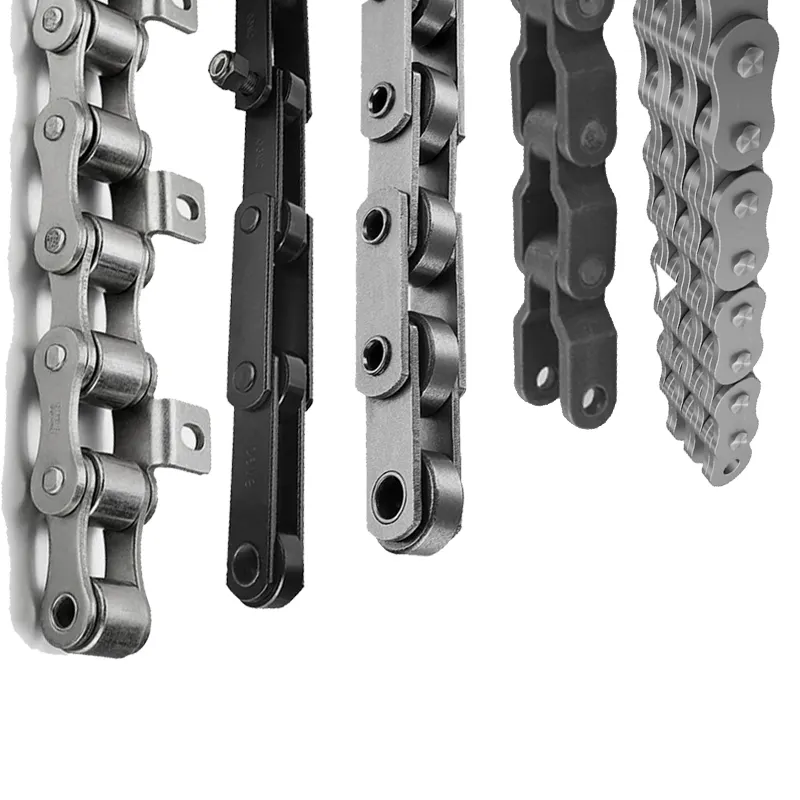
Can roller chains be used for vertical lifting applications?
Yes, roller chains can be used for vertical lifting applications in certain circumstances. However, it is important to consider various factors to ensure safe and efficient operation. Here’s a detailed answer to the question:
Roller chains are primarily designed for transmitting power and motion in horizontal or slightly inclined applications. When used for vertical lifting, additional considerations must be taken into account:
1. Load Capacity: Roller chains have a rated load capacity that indicates the maximum weight they can safely lift. It is crucial to select a roller chain with a sufficient load capacity for the specific lifting application. Factors such as the weight of the load, acceleration, and dynamic forces should be considered to ensure the chain can handle the load without excessive stress.
2. Safety Measures: Vertical lifting applications require appropriate safety measures to prevent accidents or chain failure. These may include the use of safety devices such as overload protection mechanisms, emergency stops, and redundant systems. Safety standards and regulations specific to the lifting industry should be followed to ensure compliance and mitigate potential hazards.
3. Lubrication and Maintenance: Proper lubrication is critical for the smooth and reliable operation of roller chains in any application, including vertical lifting. Regular lubrication and maintenance help reduce wear, friction, and the risk of chain failure. It is important to follow the manufacturer’s recommendations for lubrication intervals and use the appropriate lubricant for the specific operating conditions.
4. Chain Tension: Maintaining proper chain tension is crucial for the safe and efficient operation of roller chains in vertical lifting applications. Adequate tension ensures proper engagement with the sprockets and minimizes the risk of chain slippage or disengagement. Regular inspection and adjustment of chain tension are necessary to ensure reliable performance.
While roller chains can be used for vertical lifting, it is important to consult with industry experts or engineers experienced in lifting applications to determine the suitability of roller chains for a specific vertical lifting task. They can provide guidance on selecting the appropriate chain size, design, and safety measures to ensure the lifting operation is safe, efficient, and compliant with applicable regulations.


editor by CX 2024-03-30